Microcontrollers in Pakistan: Which MCU Should You Choose for Learning and Projects?
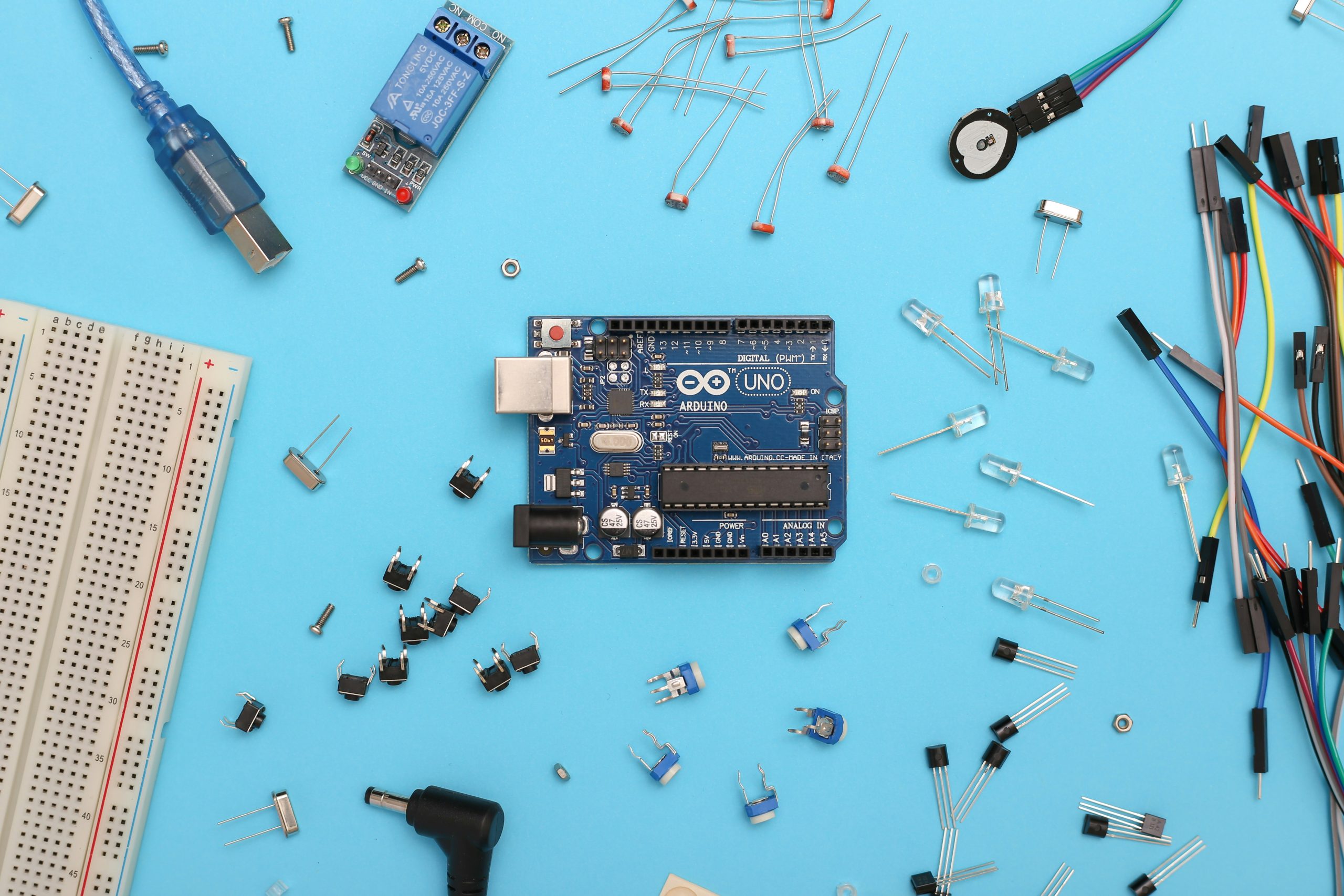
Microcontrollers (MCUs) are the foundation of modern electronics—a single chip that lets you control robots, build smart gadgets, automate your room, or create custom tech projects. If you’re a student, hobbyist, or beginner, navigating the world of MCUs can feel confusing. Arduino? STM32? ESP32? PIC? Which one is right for you? Let’s break it down so you can start building amazing stuff—no engineering degree required!
What Is a Microcontroller (MCU)?
A microcontroller is a compact, programmable computer built into a single chip. MCUs contain:
- Processor (CPU): Executes your program—makes decisions and calculations.
- Memory: Stores your code and data.
- Input/Output Pins (I/O): Connect sensors, LEDs, motors, buttons, and other electronics.
Unlike full laptops or PCs, MCUs are designed for simple automation and control tasks—perfect for embedded projects, DIY gadgets, or learning electronics.
The Most Popular MCUs in Pakistan
Below are the most common and recommended microcontrollers and boards you’ll see in Pakistani electronics shops, online stores, and university labs:
1. Arduino UNO (ATmega328P)
Why it’s popular:
- Super beginner-friendly.
- Massive community—thousands of tutorials, YouTube videos, and free code.
- Affordable, with clones available.
Best for:
- Absolute beginners, school projects, competitions, basic robotics
- Learning C/C++ with the easy Arduino IDE
Specs:
- 8-bit AVR CPU, 16 MHz
- 32 KB Flash, 2 KB RAM
- 20 Digital I/O pins
- USB for easy programming
Limitations:
- Not the fastest or most powerful
- Limited number of pins for bigger projects
- No built-in Wi-Fi or Bluetooth (add via separate modules)
2. ESP32 (Espressif)
Why it’s popular:
- Built-in Wi-Fi and Bluetooth—connect to the internet, phone apps, or smart home!
- Powerful, dual-core processor (up to 240 MHz)
- Great for IoT, automation, or wireless projects
Best for:
- Wireless gadgets, smart home projects, advanced automation, online data logging, remote control with apps
Specs:
- 32-bit CPU, dual-core
- Wi-Fi/Bluetooth 5.0
- Loads of GPIO pins, analog, and digital interfaces
Limitations:
- Slightly trickier to set up for beginners than Arduino (but tons of online guides!)
- Some libraries work differently compared to Arduino
3. STM32 “Blue Pill” (STMicroelectronics)
Why it’s popular:
- Super cheap and fast 32-bit ARM Cortex-M3 processor (up to 72 MHz)
- Massive community and strong support for advanced projects
Best for:
- Learning “real-world” MCUs, advanced robotics, motor control, data acquisition, performance-heavy tasks
Specs:
- 32-bit ARM Cortex-M3
- 64 KB Flash, 20 KB RAM
- 37 GPIO pins
Limitations:
- Not as plug-and-play as Arduino; requires understanding programming tools like STM32Cube or PlatformIO
- Some setups need additional programmers (ST-Link)
4. PIC Microcontroller (Microchip)
Why it’s popular:
- Classic, widely used in Pakistani university curricula and local industries
- Many variants—from simple 8-pin chips to advanced 40-pin boards
- Excellent for learning embedded concepts and industrial automation basics
Best for:
- College/university hardware courses, industrial automation, assembly language projects
Specs (PIC16F, PIC18F series):
- 8 or 16-bit CPU, various speeds and pin counts
- Multiple interfaces (I2C, SPI, UART), analog and digital inputs
Limitations:
- Setup can be tricky—needs external programmer (PICKit)
- Smaller community for fun DIY projects compared to Arduino/ESP32
5. Raspberry Pi Pico (RP2040)
Why it’s popular:
- Affordable (around PKR 1,200–2,000)
- Dual-core ARM Cortex-M0+, fast for its price
- Good for Python (MicroPython) projects
- Simple USB programming
Best for:
- Learning Python for electronics, experimenting with dual-core, building quick projects
Specs:
- 133 MHz, 264 KB RAM
- Lots of GPIO pins
- MicroPython/C/C++ supported
Limitations:
- Newer—less “local” community than Arduino
- No built-in Wi-Fi or Bluetooth (need extra modules)
Comparison Table
| Board/MCU | Wireless | Community | Ease of Use | Ideal Project |
|---|---|---|---|---|
| Arduino UNO | No (*) | Massive | Easiest | Beginner robots, basic IoT, school projects |
| ESP32 | Yes | Large | Moderate | IoT gadgets, smart automation, data logging |
| STM32 Blue Pill | No | Large | Challenging | Advanced control, high-speed data, motor robotics |
| PIC (16F/18F) | No | Good | Moderate | Academic projects, automation, industrial logic |
| Raspberry Pi Pico | No | Growing | Easy | Learning Python, quick hardware prototyping |
- (Some Arduino models/boards now include Wi-Fi/Bluetooth)
Which MCU Should I Start With (in Pakistan)?
If you are a TOTAL beginner or school student :
- Start with Arduino UNO or Nano.
It’s easy to set up, tutorials are everywhere (Urdu and English), and it’s very affordable. Practice projects: LED blinkers, basic robots, keypad locks, etc.
If you love DIY gadgets and want to build smart wireless stuff:
- Try ESP32 (or ESP8266 for smaller projects).
Great for controlling devices over Wi-Fi/Bluetooth, building smartphone apps, or connecting sensors online. Expect a short learning curve.
If you want to go ADVANCED (understand professional MCUs):
- Pick STM32 Blue Pill
Learn about ARM Cortex, work with more pins, higher speeds, and professional programming tools.
(Tip: There are excellent YouTube guides in Urdu and English.)
If you’re in university (19–22) doing electronics, automation, or embedded courses:
- PIC or STM32
Both are used in engineering labs and industry. Learn both with lab kits or simulation platforms like Proteus.
If you want Python power for hardware:
- Raspberry Pi Pico
Bonus for fans of coding—write scripts to control hardware easily.
Summary: Your Journey Starts Here
- Arduino: Best starting point, super friendly to learn with
- ESP32: Wireless, internet-of-things, next-level projects
- STM32: Professional grade, powerful, used in serious engineering
- PIC: Academic and industrial, excellent chips for deeper embedded work
- Pico: New, Python-centric, growing for education and creativity
Remember: What matters most is starting with what you can get, experimenting, and enjoying the process! MCUs are the gateway to all sorts of electronics, from tiny blinking LEDs to ambitious smart home systems and robots.
Ready to build? Pick your board, search for tutorials, and jump in—Pakistan’s electronics scene welcomes you to innovate and learn.
Posts Widget
-
1

-
2

-
3

-
4


All electronics for you. SMDs, basics, and kits. Browse and buy fast. Wide range, clear support. Shop simple, shipped quick.